Posts on this page were published in 2020-2021. I would write shorter copy for today’s attention spans.
As Social Media Specialist at the Australian Academy of Science, I managed content sourcing, approvals and copywriting for more than 20 social media posts weekly across Twitter/X, Facebook, YouTube, Instagram and LinkedIn.
Social-first science content to delight audiences
Part of the Australian Academy of Science mission is to share science in a fun and engaging way through its Curious project. I contributed articles and supported video production for this project. But because social media algorithms have long suppressed link content, I also drafted social-first science communication content.
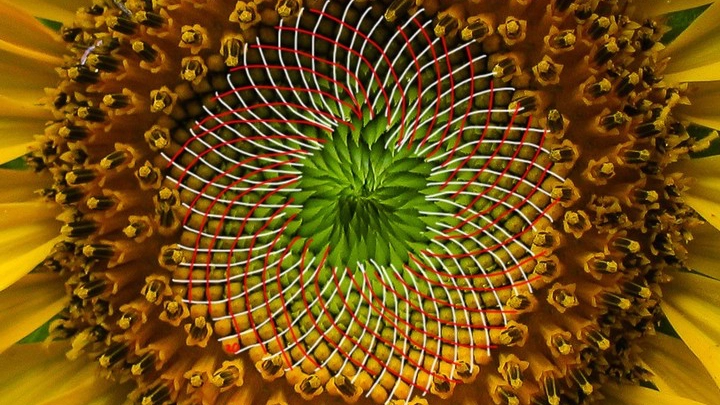
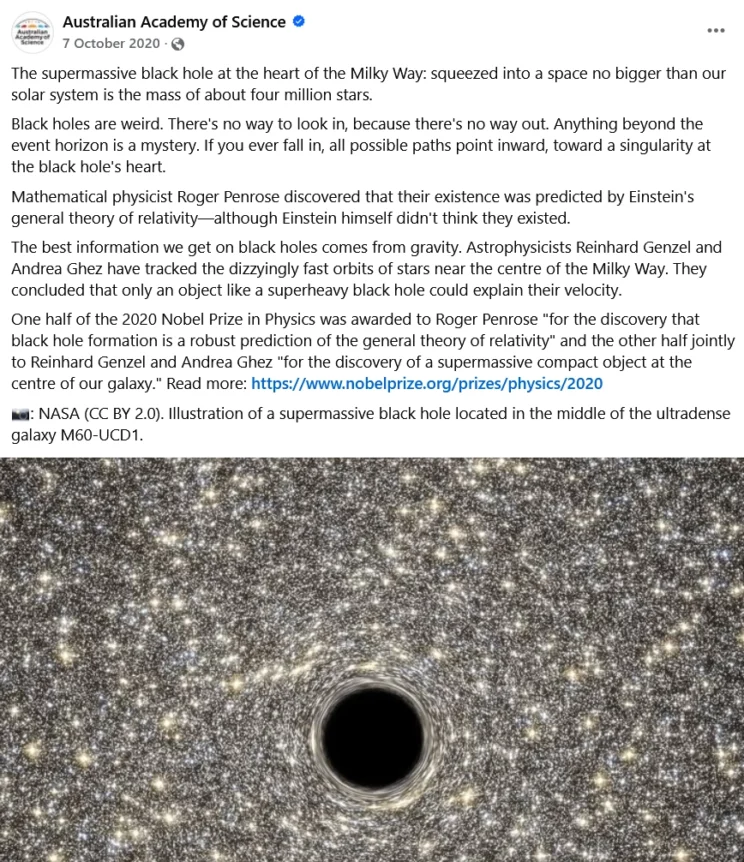
I wrote little explainers in response to key dates and events.
I contributed to a tradition of scientists hijacking #Superbowl tweets to share #SuperbOwls instead.
I made up games to engage our audience (view thread for the full list and answers!).
Supporting events and initiatives
I planned and drafted social media posts to support Academy events and initiatives, such as the launch of the ‘three degrees report‘.
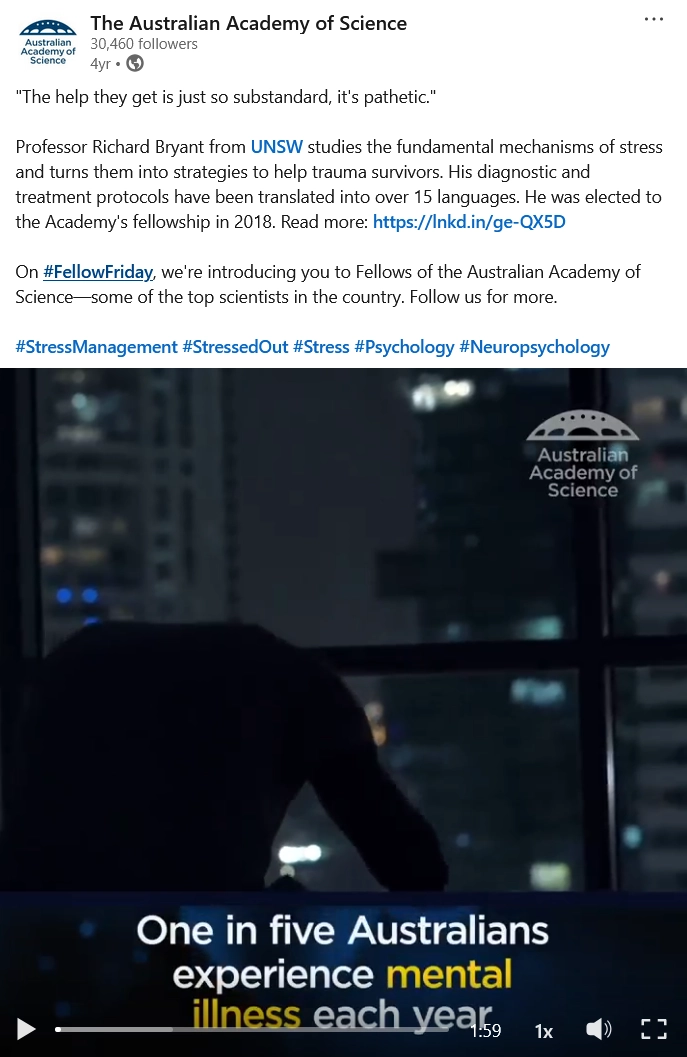
I started #FellowFriday on the Academy’s LinkedIn page to reuse videos produced for new fellows when elected.